White Dashed Line Pattern: A Versatile Design Element for Modern Creativity
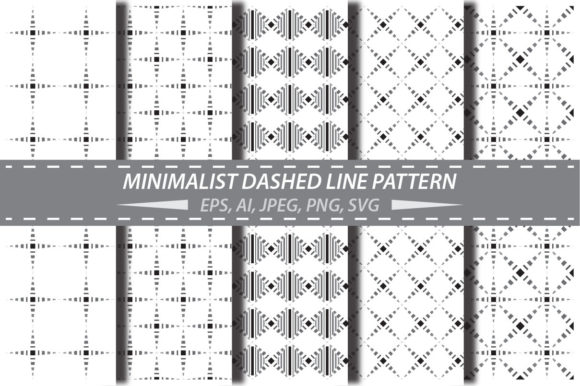
The White Dashed Line Pattern is a minimalist yet impactful design concept that has found its way into various creative fields. This pattern, characterized by its clean lines and subtle contrast, offers a unique aesthetic that can be adapted to multiple applications. Whether used in digital or physical formats, the White Dashed Line Pattern serves as a foundation for both functional and decorative purposes.
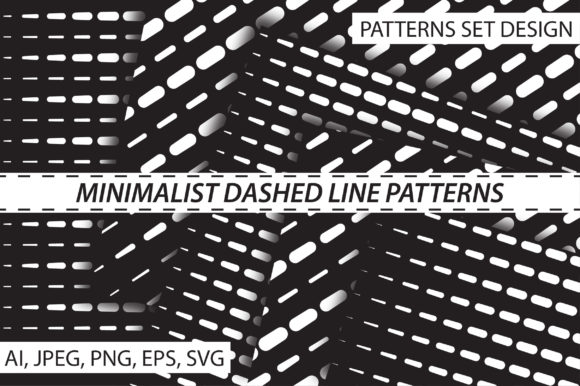
At its core, the White Dashed Line Pattern is built from simple line elements that are arranged in a structured manner. These lines, often in black against a white background, create a visual rhythm that is both soothing and engaging. The pattern's simplicity allows it to blend seamlessly with other design elements, making it an ideal choice for those looking to add a touch of sophistication without overwhelming the viewer.
Key Characteristics of the White Dashed Line Pattern
One of the most notable features of the White Dashed Line Pattern is its versatility. The pattern can be modified to suit different design needs, such as adjusting the spacing between dashes, altering the thickness of the lines, or changing the color scheme. This adaptability makes it suitable for a wide range of projects, from web design to textile printing.
Another key characteristic is its scalability. The pattern maintains its clarity and definition across different sizes and resolutions. This is particularly important when using the pattern for high-quality prints, where detail and precision are essential. The White Dashed Line Pattern is available in multiple file formats, including JPEG, PNG, EPS, SVG, and AI, ensuring compatibility with various design software and platforms.
The pattern also offers a sense of structure and order. In design contexts, this can help guide the viewer's eye and create a sense of balance. For instance, in interior design, the White Dashed Line Pattern can be used as a wallpaper motif to add visual interest without being too distracting. Similarly, in graphic design, it can serve as a border or divider element that enhances the overall composition.
Applications of the White Dashed Line Pattern
The White Dashed Line Pattern is not limited to a single use case. It can be applied in a variety of settings, making it a valuable asset for designers, artists, and creators. One common application is in digital design, where the pattern can be used as a background for websites, apps, or social media posts. Its clean look helps maintain a professional appearance while adding a subtle layer of texture.
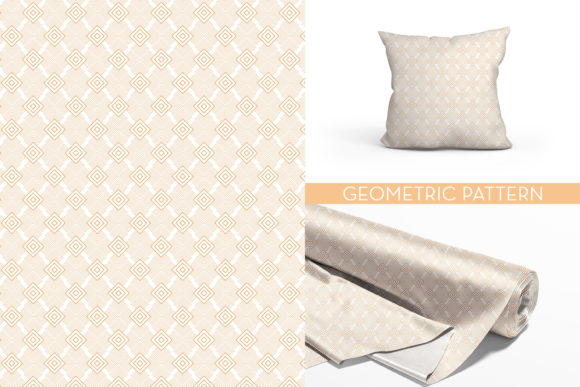
In the realm of print design, the White Dashed Line Pattern is widely used for textiles, such as clothing, handkerchiefs, and pillowcases. The pattern’s simplicity ensures that it remains visually appealing even when printed on fabric. Additionally, it can be incorporated into book covers, stationery, and packaging, providing a cohesive and elegant design element.
For those working in the field of interior design, the White Dashed Line Pattern can be used as a wall decoration or as part of a larger mural. Its neutral tones make it easy to integrate into different color schemes, allowing for flexibility in design choices. The pattern can also be used in conjunction with other motifs to create a more complex and layered look.
Benefits of Using the White Dashed Line Pattern
One of the primary benefits of the White Dashed Line Pattern is its ability to enhance visual appeal without requiring significant design expertise. Even individuals with limited experience in graphic design can use this pattern effectively, thanks to its straightforward nature. This makes it an excellent choice for beginners or those looking for quick and easy design solutions.
Another advantage is its ability to convey a sense of professionalism and refinement. The pattern’s clean lines and minimalistic approach give it a timeless quality that can elevate the perceived value of a product or design. This is particularly useful in commercial contexts, where first impressions play a crucial role in attracting customers.
The White Dashed Line Pattern also offers practical benefits. Its simplicity makes it easy to reproduce in different formats and sizes, ensuring consistency across various mediums. This is especially important for businesses that need to maintain a cohesive brand identity across multiple platforms.
Considerations When Using the White Dashed Line Pattern
While the White Dashed Line Pattern is highly versatile, there are some considerations to keep in mind when incorporating it into a design. One important factor is the context in which it will be used. For example, a pattern that works well in a digital setting may not translate as effectively to a physical print, depending on the resolution and quality of the output.
Another consideration is the balance between the pattern and other design elements. While the White Dashed Line Pattern is visually appealing on its own, it should be used in a way that complements the overall design rather than overpowering it. This requires careful planning and attention to detail to ensure that the final result is both aesthetically pleasing and functionally effective.
Additionally, users should be mindful of the technical specifications when working with the pattern. Different file formats may have varying levels of quality and compatibility, so it’s important to choose the right format based on the intended use. For instance, vector formats like SVG and AI are ideal for scalable designs, while raster formats like JPEG and PNG are better suited for fixed-size applications.
Exploring the Potential of the White Dashed Line Pattern
The White Dashed Line Pattern represents a design philosophy that values simplicity, functionality, and adaptability. As more designers and creators explore its potential, new applications and variations are likely to emerge. This ongoing evolution ensures that the pattern remains relevant and continues to inspire innovation in the design world.
For those interested in exploring the White Dashed Line Pattern further, there are numerous resources available. From online marketplaces offering downloadable files to design communities sharing tips and techniques, there is a wealth of information to support creative experimentation. By leveraging these resources, individuals can unlock the full potential of the pattern and incorporate it into their own projects with confidence.
Ultimately, the White Dashed Line Pattern is more than just a design element—it is a tool that can enhance creativity, improve visual communication, and contribute to the success of various design endeavors. Whether used in digital or physical formats, its impact is undeniable, making it a valuable addition to any designer’s toolkit.