Minimalist Geometric Green Pattern: A Versatile Design for Modern Creativity
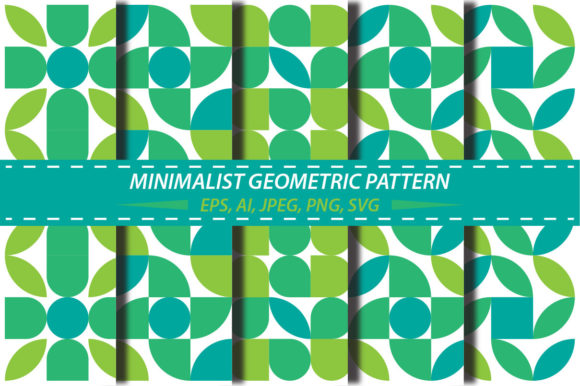
The Minimalist Geometric Green Pattern is a design concept that blends simplicity with visual appeal. It features basic shapes like squares, triangles, and circles arranged in a way that creates a cohesive and elegant aesthetic. The use of green as the primary color adds a fresh and natural feel to the pattern, making it suitable for a wide range of applications.
This design is ideal for those who appreciate clean lines and structured layouts. The geometric elements are not just decorative; they also serve a functional purpose by creating a sense of order and balance. Whether used as wallpaper, fabric patterns, or print designs, the Minimalist Geometric Green Pattern offers a modern and timeless look.
Characteristics of the Minimalist Geometric Green Pattern
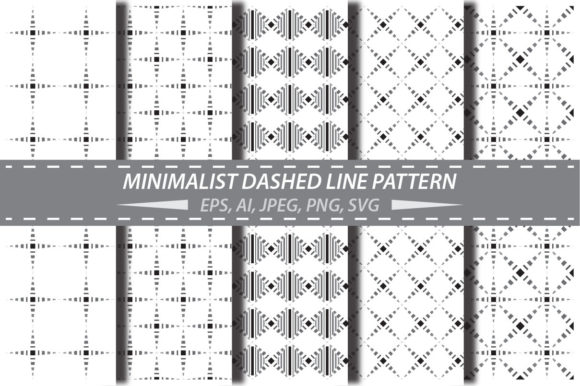
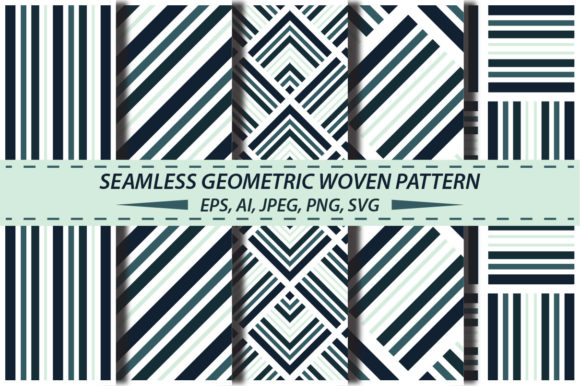
The Minimalist Geometric Green Pattern is defined by its use of simple, repeating shapes. These shapes are often aligned in a grid-like structure, which enhances the overall symmetry of the design. The green color palette ranges from soft pastels to deep emerald tones, allowing for flexibility in different design contexts.
Each design within the pattern set includes variations that can be adapted to suit different needs. For example, some variations may emphasize larger shapes, while others focus on smaller, more intricate details. This adaptability makes the pattern highly versatile, as it can be scaled up or down without losing its visual integrity.
The pattern is available in multiple formats, including JPEG, PNG, SVG, EPS, and AI files. This ensures that users can access the design in the most suitable format for their specific project. The high-resolution size of 864x864 pixels or 12x12 inches makes it ideal for both digital and print applications.
Applications of the Minimalist Geometric Green Pattern
The versatility of the Minimalist Geometric Green Pattern allows it to be used in various creative fields. One of the most common applications is as wallpaper for homes or offices. The clean and organized layout of the pattern helps create a calming environment, making it an excellent choice for spaces that require a sense of tranquility.
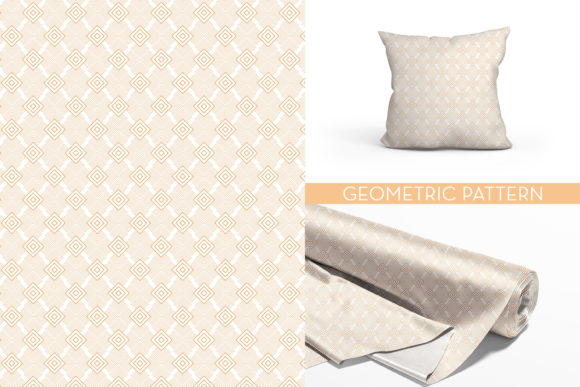
In addition to interior design, the pattern is also popular in fashion and textile industries. It can be used for printing on dresses, tank tops, and tote bags, adding a unique and stylish touch to clothing items. The green color complements a wide range of skin tones and outfits, making it a practical choice for designers looking to create eye-catching pieces.
The pattern is also well-suited for book covers and stationery designs. Its structured layout provides a professional and polished appearance, which is essential for publications and marketing materials. When used in printed media, the pattern maintains its clarity and detail, ensuring that the final product looks sharp and refined.
Advantages of Using the Minimalist Geometric Green Pattern
One of the main advantages of the Minimalist Geometric Green Pattern is its ability to enhance visual appeal without overwhelming the viewer. The simplicity of the design allows it to blend seamlessly into different environments, whether it's a modern office space or a cozy living room. This makes it a valuable tool for designers who want to create visually pleasing yet unobtrusive backgrounds.
Another benefit is the ease of customization. Since the pattern is available in multiple file formats, users can easily modify it to fit their specific requirements. For instance, the SVG format allows for scalable vector graphics, which means the design can be resized without any loss of quality. This is particularly useful for projects that require different dimensions or resolutions.
The availability of high-quality files also ensures that the pattern can be used for commercial purposes. Whether it's for branding, packaging, or promotional materials, the pattern provides a professional and consistent look. This makes it a reliable choice for businesses and creators who need to maintain a cohesive brand identity.
Considerations for Using the Minimalist Geometric Green Pattern
While the Minimalist Geometric Green Pattern is highly versatile, it's important to consider how it will be used in different contexts. For example, when applying the pattern to large surfaces like walls or fabrics, the repetition of shapes should be balanced to avoid visual fatigue. This can be achieved by adjusting the spacing between elements or incorporating complementary colors.
Additionally, the choice of green tone can significantly impact the overall effect of the design. Lighter shades of green may work better in spaces that need a refreshing and airy feel, while darker greens can add depth and sophistication. Understanding the psychological effects of color can help users make informed decisions about how to apply the pattern effectively.
It's also worth noting that the pattern's minimalist nature means it may not be the best choice for projects that require a bold or vibrant design. In such cases, additional elements or textures may need to be incorporated to achieve the desired visual impact. However, for those who value simplicity and elegance, the Minimalist Geometric Green Pattern offers a perfect solution.
Exploring the Potential of the Minimalist Geometric Green Pattern
The Minimalist Geometric Green Pattern opens up a world of possibilities for creative professionals and enthusiasts alike. Its clean lines and structured layout make it an excellent foundation for further artistic exploration. For example, artists can use the pattern as a base and add hand-drawn elements or digital overlays to create unique compositions.
Designers can also experiment with layering the pattern over other textures or backgrounds to create more complex visual effects. This approach can add depth and interest to otherwise simple designs, making them more engaging and dynamic. By combining the Minimalist Geometric Green Pattern with other design elements, users can achieve a balance between simplicity and creativity.
For educators and students, the pattern serves as a valuable resource for learning about design principles and color theory. It provides a clear example of how geometric shapes and color choices can influence the overall aesthetic of a design. This makes it an effective teaching tool for art and design courses at various levels.